Videos
USB Type-C for Industrial Design? | Hirose Electric Americas
Hirose Electric
Is USB Type-C ready for industrial design? In this live panel hosted by All About Circuits, experts from Hirose Electric Americas and Tecnova unpack the evolution of USB connectors and tackle misconceptions about Type-C in rugged applications. Explore how Hirose’s CX Series addresses industrial challenges with screw-down mounting, compact profiles, and IP-rated options—plus insights on PCB design, power delivery, and signal integrity.
Watch now to gain engineering insights and practical design tips for implementing USB Type-C in your next industrial application.
00:00 Main Webinar
19:59 What is the most common misconception about USB C that makes system designers hesitant to consider USB for an industrial application?
22:48 What are the main benefits of AU1?
24:01 What key design considerations should be factored in when integrating USB type C into a PCB layout for high reliability applications?
26:17 What are the hidden mechanical or electrical pitfalls of designing with USB type C in industrial environment? And how can they be mitigated?
28:25 What is Hirose’s plan with RJ45?
29:22 Can you snap the plastic mating molding over basically any usb-C plug. Also what is the smallest footprint right angle plug and receptacle in the AU1 series?
30:19 When replacing legacy USB connectors with type C, what unexpected design challenges typically arise? How have other engineers solve them or have those challenges been solved?
32:58 How do I make sure I'm balancing power, signal integrity and mechanical durability when designing a USB type C interface? Are there common mistakes to avoid?
35:41 What should I keep in mind if I'm using a USB type C for alternative communication protocols? How do I make sure my design stays voltage compliant?
38:16 Who is the right contact at Hirose to reach out to discuss customizing usb-C snap lock solution like similar to the AU1. And also is the AU1 available for samples?
40:08 Are you seeing people still design in with some of those older USB technologies, or is the migration really driven to type C today?
Related
-

IMS 2020 Hirose Electric USA
- Hirose Electric
- Company / Market Trends
-

FX23 Video
- Hirose Electric
- Passive / Connections / mechanical parts
-

FH62 FH72 Video
- Hirose Electric
- Passive / Connections / mechanical parts
-

ix Industrial video introduction
- Hirose Electric
- Passive / Connections / mechanical parts
-

DF58 Series
- Hirose Electric
- Passive / Connections / mechanical parts
-
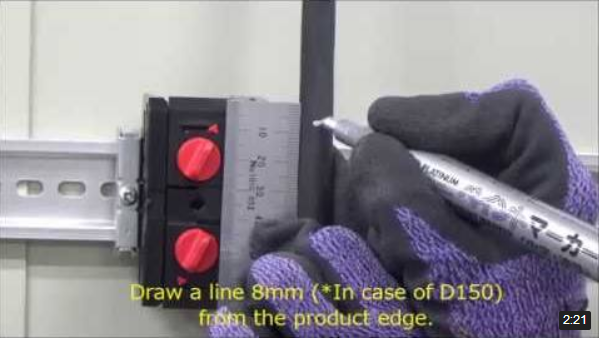
[Zero Screw] Installation method - Easy connection with standard ring terminals -
- Hirose Electric
- Passive / Connections / mechanical parts
-

【ゼロスクリュー端子台】 取り付け作業手順
- Hirose Electric
- Company / Market Trends
-

Automotive Interface Connector [ZE05 Series]
- Hirose Electric
- Automotive
-

[Type-C] USB Connector CX Series (short movie) - Hirose Electric
- Hirose Electric
- Power Supply
-

Optimum Floating Board to Board Connector for Robotic Assembly 【FX23 series】
- Hirose Electric
- Passive / Connections / mechanical parts
-

【제로 스크류】반내 배선~끼우는 것만으로도 작업이 가능~
- Hirose Electric
- Passive / Connections / mechanical parts
-

【제로 스크류】나사식 단자대와의 작업시간 비교
- Hirose Electric
- Passive / Connections / mechanical parts
-

【FX23/FX23L】ロボット組立に最適なフローティングコネクタ
- Hirose Electric
- Passive / Connections / mechanical parts
-

【FX23/FX23L】フローティング構造とそれによるメリットのご紹介
- Hirose Electric
- Passive / Connections / mechanical parts
-

[Zero Screw] Work hours comparison - Easy connection with standard ring terminals
- Hirose Electric
- Passive / Connections / mechanical parts
-

【ゼロスクリュー端子台】手元開閉器 導入事例
- Hirose Electric
- Passive / Connections / mechanical parts
-

【ゼロスクリュー端子台】ネジ式端子台との作業時間比較
- Hirose Electric
- Passive / Connections / mechanical parts
-
HIROSE ELECTRIC - Corporate video
- Hirose Electric
- Company / Market Trends
-

广濑电机 - 公司介绍视频
- Hirose Electric
- Company / Market Trends
-
ヒロセ電機 - 会社紹介
- Hirose Electric
- Company / Market Trends